
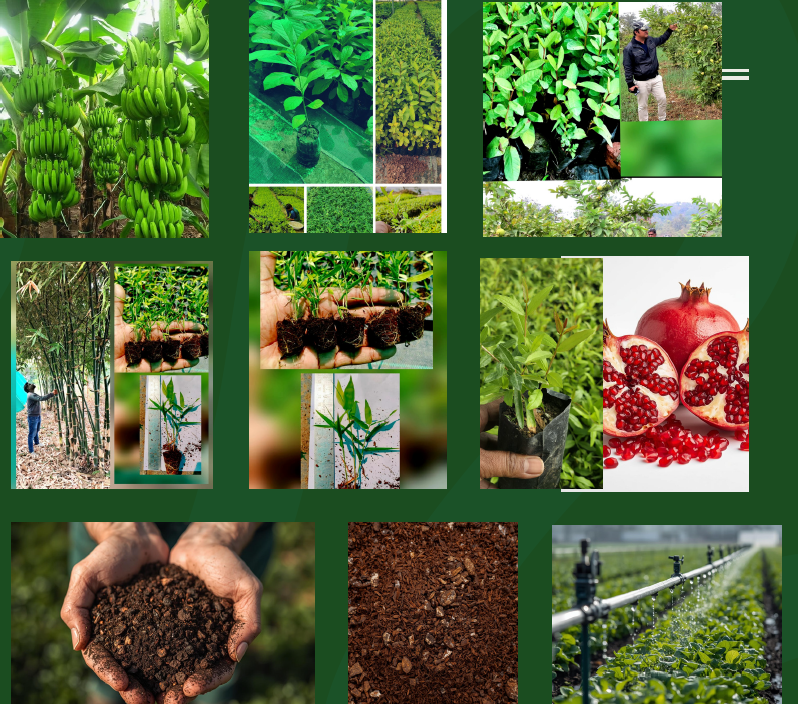
Tissue culture as modern agriculture means using a small part of a plant, such as a cell, tissue, or bud, to grow many new plants in a sterile laboratory environment. It is one of the most advanced techniques in agriculture because it helps produce large numbers of healthy, uniform, and disease-free plants in less time.
Simple meaning
In traditional farming, plants are usually grown from seeds, cuttings, or grafting. In tissue culture, a tiny plant part is taken and grown on a special nutrient medium inside a lab. From that small part, many identical plants can be produced.
Why it is called modern agriculture
It is considered modern because it uses:
- scientific laboratory methods
- controlled conditions
- rapid multiplication of plants
- disease-free planting material
- improved productivity
Main features
- Mass production
Thousands of plants can be produced from one mother plant. - Disease-free plants
Plants can be developed free from viruses and infections. - Uniform quality
All plants are almost identical, so crop quality remains consistent. - Fast multiplication
Plants are produced much faster than traditional methods. - Useful for rare or valuable crops
It is very useful for banana, sugarcane, potato, orchids, bamboo, and many horticulture crops.
Importance in agriculture
Tissue culture supports modern agriculture by:
- increasing crop production
- improving plant quality
- reducing dependence on seasonal propagation
- helping farmers get better yield
- supporting commercial farming and export quality crops
Examples of crops grown through tissue culture
- Banana
- Sugarcane
- Potato
- Strawberry
- Orchid
- Bamboo
- Medicinal plants
Advantages
year-round plant production
high quality planting material
disease-free crops
quick production
better survival and growth